Reliability is fundamental in food, beverage and pharmaceutical production. At the centre of many Secomak drying systems is the centrifugal blower, providing the high-velocity airflow required for consistent drying performance.
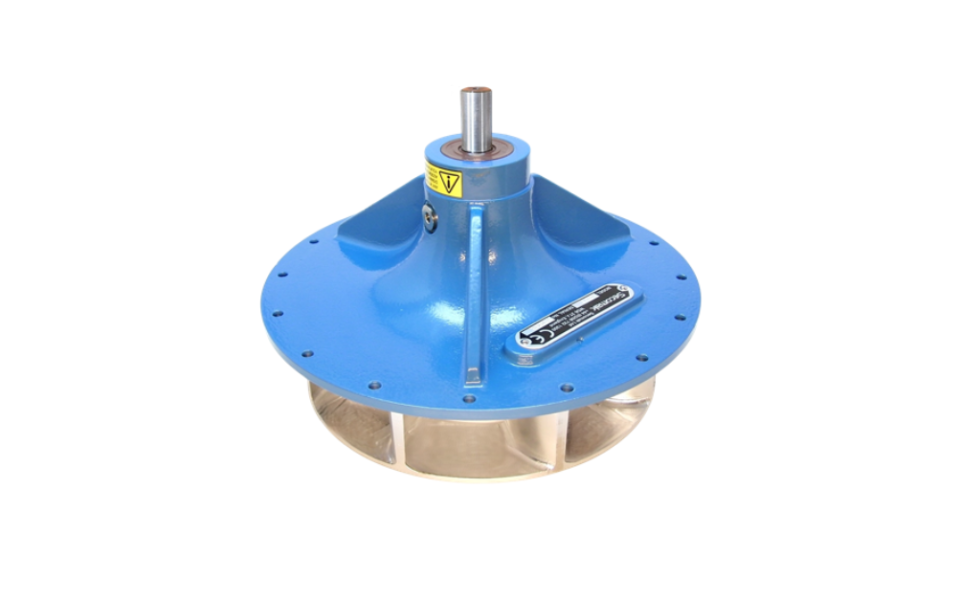
For nearly 100 years, Secomak has specialised in the design and manufacture of high-performance centrifugal blowers and container drying systems. Our 587 Turbo blower has become the heart of thousands of installations worldwide, operating across more than 120 countries.
It was already a proven and reliable blower, but changing customer requirements gave us a reason to look again at one of its most critical components.
Manufacturers increasingly want equipment that can operate for longer with less intervention. Routine servicing takes engineering time, creates planned downtime and contributes to the total cost of owning and operating equipment.
Our objective was therefore clear: redesign the blower bearing and impellor assembly to dramatically extend operational life while removing routine lubrication requirements entirely, without compromising performance.
The result was the Secomak Long-Life Bearing Assembly.
Rethinking Centrifugal Blower Bearing Design
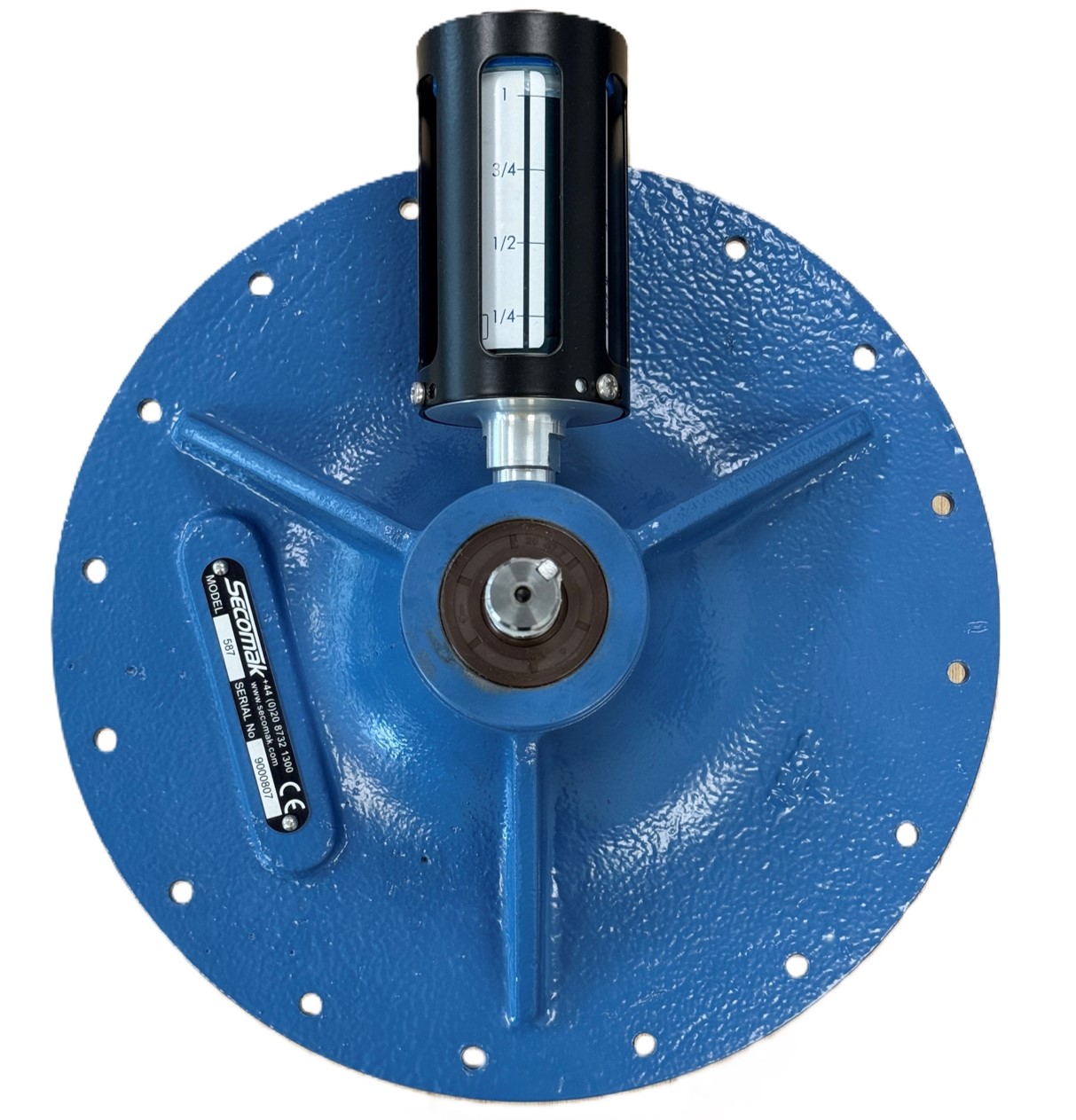
Rather than simply modifying the existing bearing arrangement or extending the time between servicing, our Engineering team approached the development from the ground up.
The impellor and bearing housing form one of the most important moving assemblies within a high-speed centrifugal blower. Any new design therefore had to improve maintenance requirements and operating life while continuing to provide the stability and reliability required at high rotational speeds.
Working alongside bearing technology specialists SKF, we evaluated existing bearing performance, analysed operational loads and investigated different materials and bearing configurations.
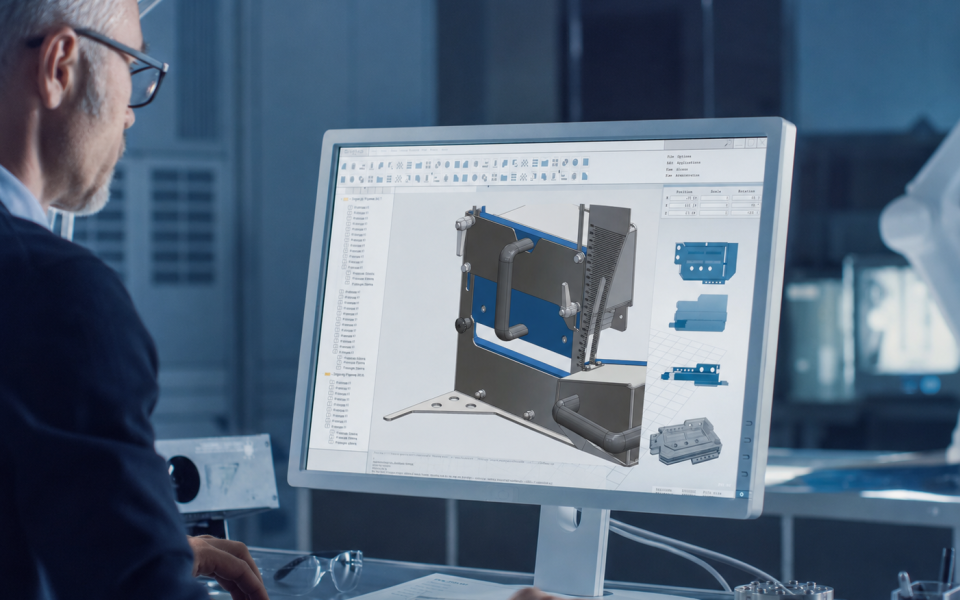
Advanced CAD modelling was combined with extensive prototype testing to understand how different designs would perform before progressing into field trials.
The final solution uses traditional steel inner and outer rings together with ceramic rolling elements, creating a hybrid ceramic bearing configuration developed specifically around Secomak’s high-speed centrifugal blower technology.
Why Hybrid Ceramic Bearing Technology?
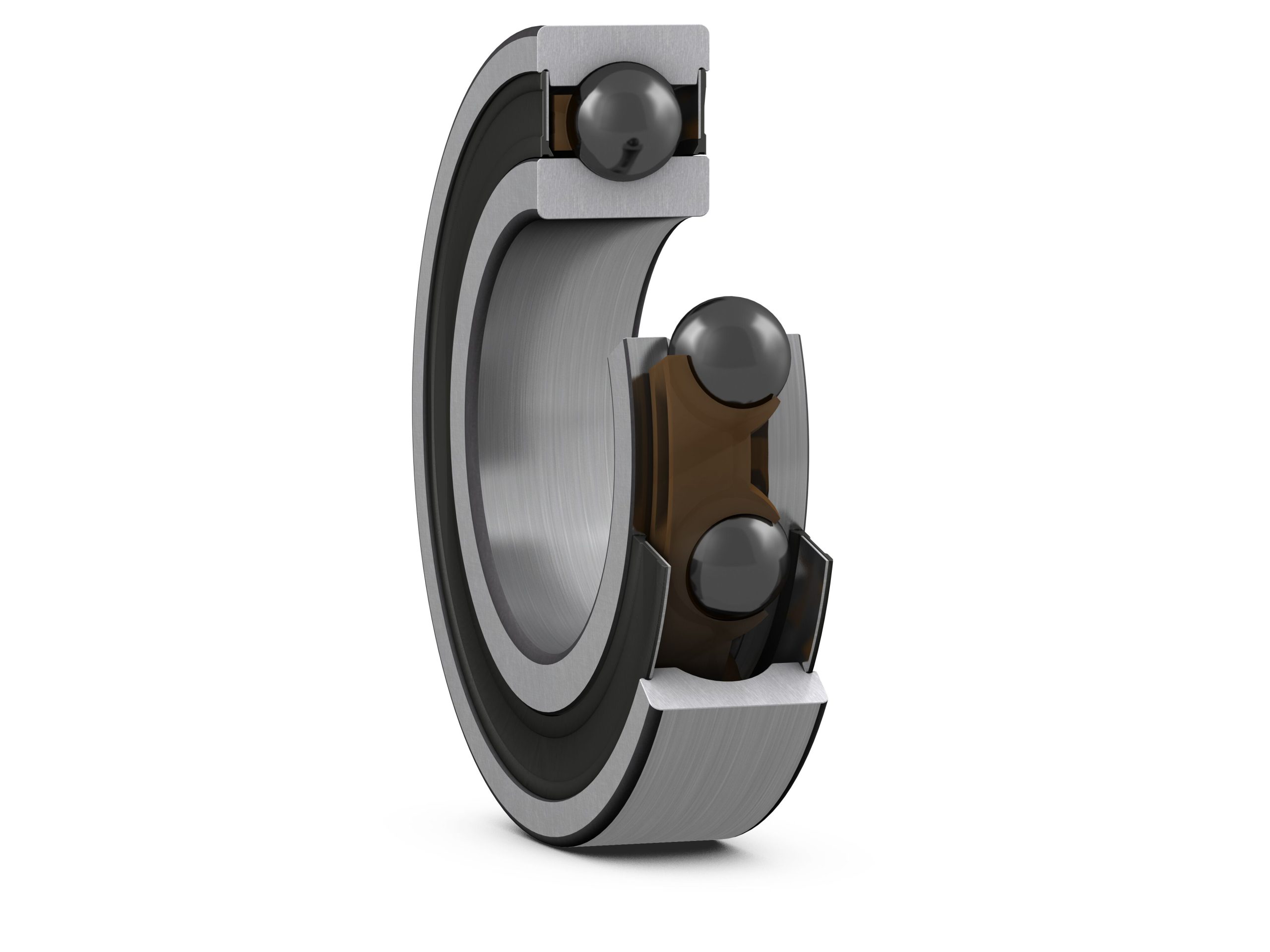
Moving to a hybrid ceramic bearing arrangement provided several advantages over the previous design.
The new configuration delivers significantly lower friction, reduced operating temperatures, increased rotational stability at high speed and improved load-carrying capability.
Most importantly from a maintenance perspective, it allowed us to completely remove the requirement for periodic lubrication.
That changes more than the bearing itself.
Instead of simply increasing the interval between maintenance visits, the Long-Life Bearing Assembly changes the maintenance philosophy of the blower. Scheduled lubrication and routine bearing servicing are removed, reducing the amount of intervention required throughout the equipment’s operating life.
For food, beverage and pharmaceutical manufacturers, removing lubrication also eliminates the associated lubricant contamination risk around the bearing assembly.
Developing the Long-Life Bearing Assembly with SKF
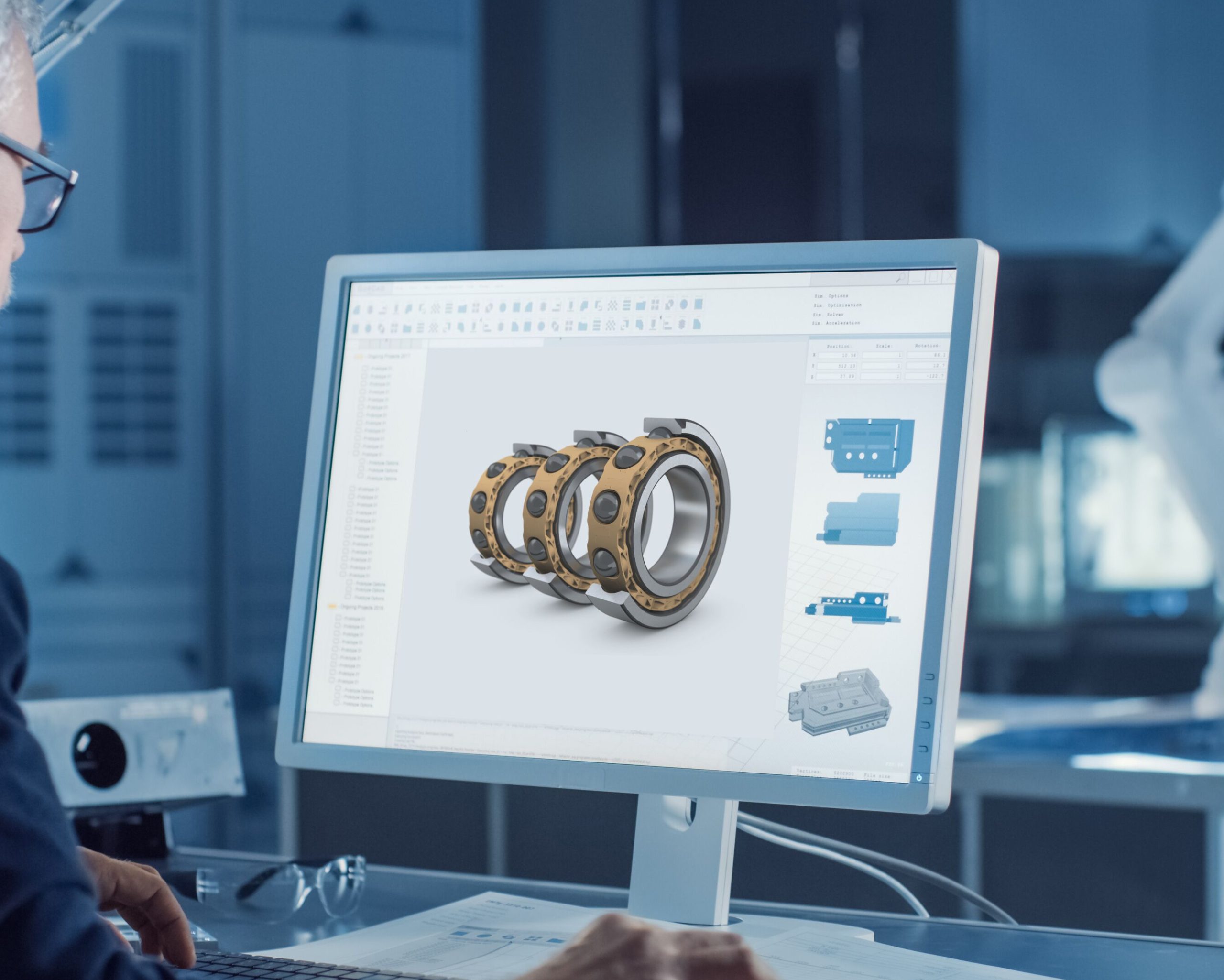 Secomak and SKF evaluated bearing configurations, materials and operating requirements during development
Development of the Long-Life Bearing Assembly brought together two different areas of engineering experience.
Secomak contributed decades of centrifugal blower application knowledge, customer feedback and real-world operating data, while SKF brought its specialist knowledge of bearing design, advanced materials and ceramic technology.
Multiple material combinations, bearing configurations and prototype assemblies were evaluated before the design progressed through laboratory testing and customer field trials.
This process was important because extending calculated bearing life was only one part of the project.
The assembly also had to demonstrate that it could perform reliably under genuine industrial operating conditions.
That meant moving beyond CAD models and controlled testing and putting the technology onto production equipment.
From Prototype Testing to Real Production
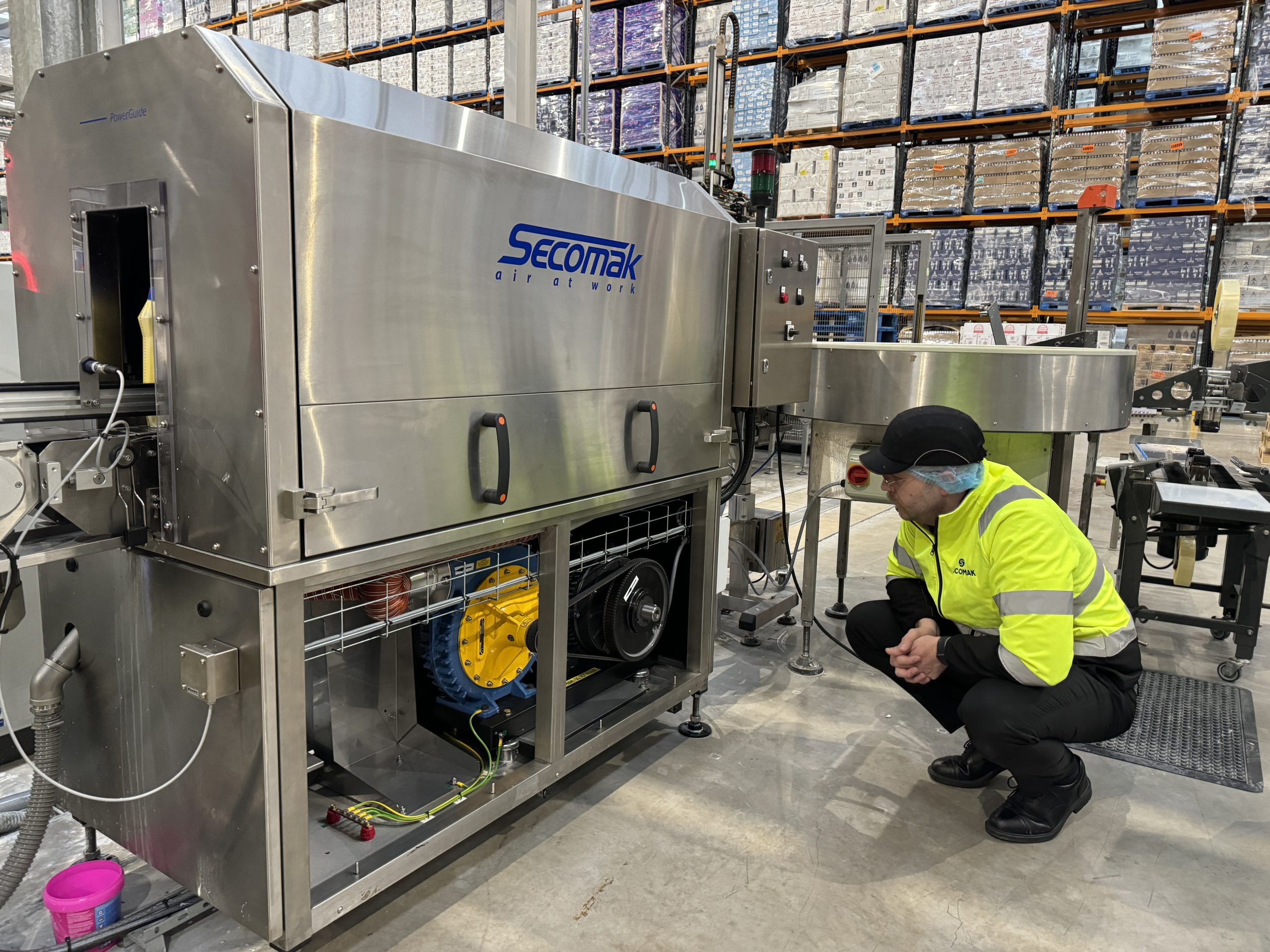
Following successful validation, the Long-Life Bearing Assembly was introduced into commercial production in July 2024.
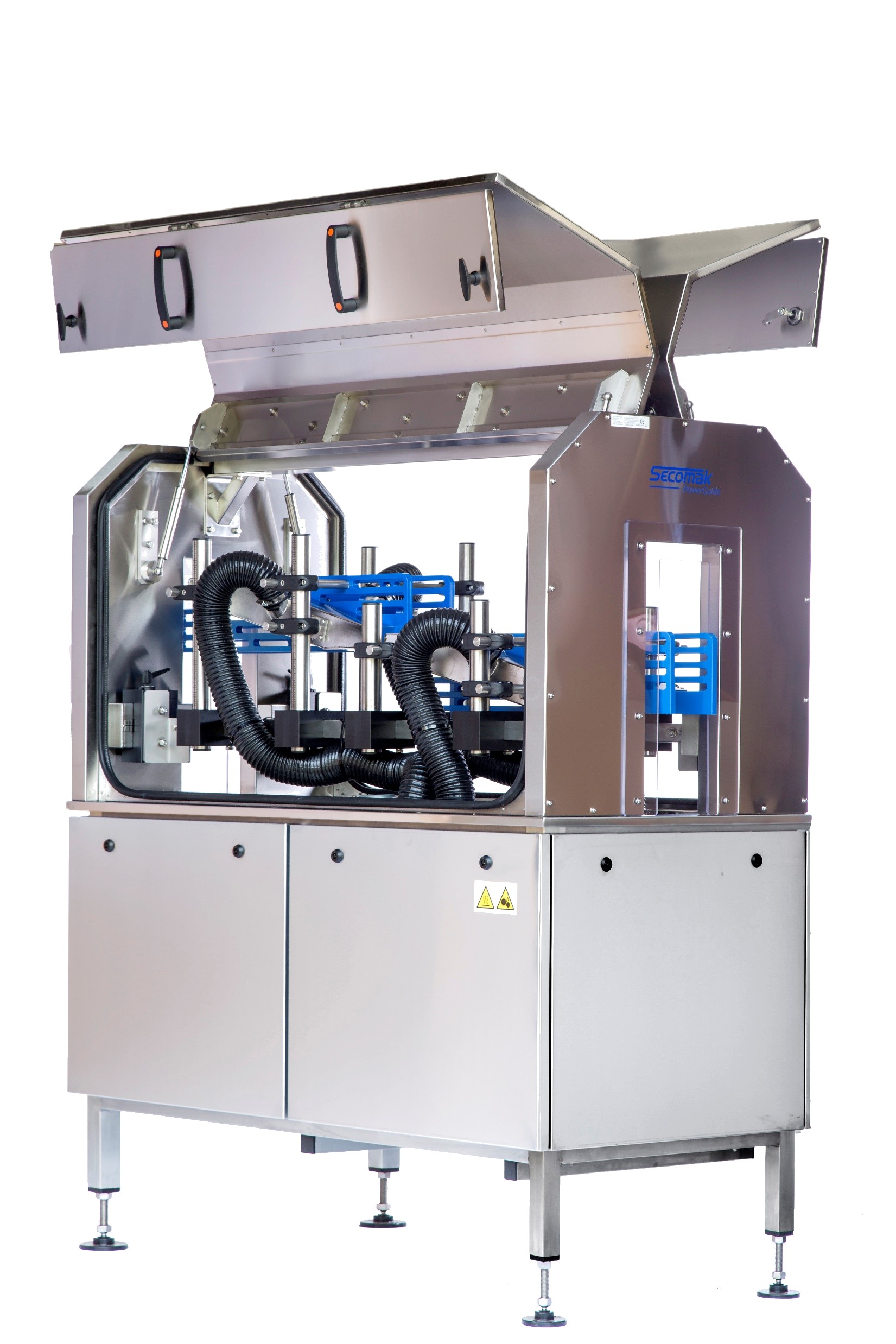
One of the early field tests saw the technology installed into a Secomak DryGuide system at Astonish, allowing its performance to be evaluated in a real production environment.
Temperature and vibration analysis formed part of the testing programme, helping our Engineering team understand how the new arrangement behaved under operating conditions before wider commercial introduction.
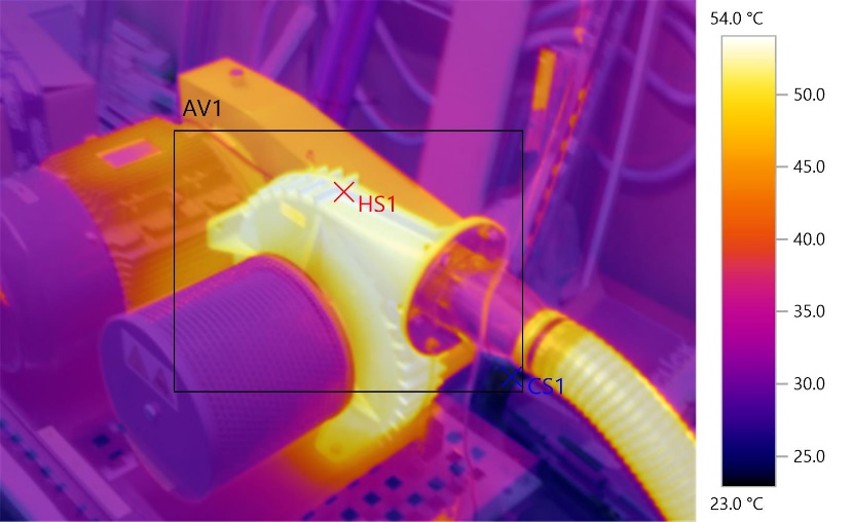
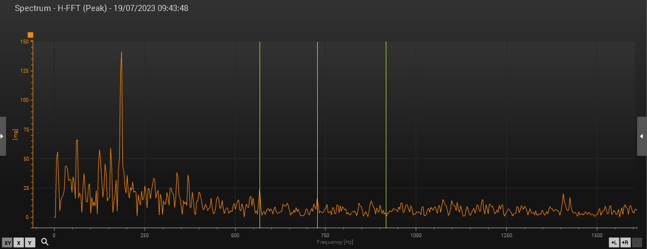
Since then, the technology has moved well beyond prototype status.
Approximately 170 systems incorporating the Long-Life Bearing Assembly have now been installed, and we estimate they have collectively accumulated more than 1.2 million operating hours worldwide without a single bearing failure.
The technology has now been operating in customer production facilities for more than two years without a bearing failure.
For us, this real-world operating history is one of the most important parts of the development.
A new component can perform well during controlled testing. Demonstrating the same reliability over millions of accumulated operating hours in customer production is considerably more valuable.
More Than 30,000 Hours of Expected Operating Life
The measurable improvement in bearing life has been significant.
The minimum expected operational runtime of the bearing assembly has increased by more than 50%, extending to beyond 30,000 operating hours.
At the same time, routine lubrication has been eliminated.
This reduces scheduled bearing servicing, lowers maintenance requirements and helps manufacturers increase production availability by reducing planned intervention.
Lower friction and reduced operating temperatures also contribute to improved efficiency and extended component life.
Our confidence in the technology and its real-world performance has led to the introduction of an extended three-year warranty, providing customers with additional assurance over the long-term reliability of the assembly.
Perhaps more interestingly, we still do not know the ultimate operating life of the technology.
No bearing failures have been experienced in service to date, meaning installations are continuing to accumulate operating hours. As that operating history develops, we will be able to build an even clearer picture of the true long-term life of the assembly.
Reducing Maintenance and Improving Sustainability
The benefits of the Long-Life Bearing Assembly go beyond bearing life alone.
Removing periodic lubrication means fewer maintenance interventions and removes the need for lubricant during routine bearing servicing.
Longer component life also means fewer replacement bearings and lower material consumption over the operating life of the equipment.
Combined with reduced maintenance resource requirements, lower environmental waste and improved efficiency through lower friction, this creates a more sustainable approach to centrifugal blower operation.
For manufacturers, those environmental improvements sit alongside practical operational benefits: lower maintenance requirements, reduced downtime and increased production availability.
Creating the Next Generation of Centrifugal Blower Technology
One of the most significant outcomes of the project may still be ahead of us.
The existing Secomak 587 Turbo blower already operates at 11,200 RPM. Historically, increasing rotational speed further has been constrained by factors including bearing performance, operating temperature and long-term reliability.
The characteristics of the new hybrid ceramic bearing assembly give our engineers greater scope to explore what the blower could achieve at substantially higher operating speeds.
Secomak’s Research and Development team is now investigating speeds approaching 15,000 RPM.
Initial engineering analysis indicates that this could provide more than a 50% increase in both airflow and pressure performance.
This does not mean simply running an existing blower faster.
Any future development will need to maintain the reliability that has already been demonstrated in the field. The Long-Life Bearing Assembly provides the engineering platform from which those higher-performance centrifugal blower technologies can now be explored.
Proven Centrifugal Blower Reliability, with More to Come
The Long-Life Bearing Assembly started with a relatively straightforward objective: reduce maintenance and increase operational life.
What followed was a complete re-engineering of the bearing and impellor assembly, combining hybrid ceramic bearing technology, detailed engineering analysis, prototype testing and extensive real-world validation.
The results now speak through the operating data: more than 30,000 hours minimum expected operational life, approximately 170 installed systems and an estimated 1.2 million cumulative operating hours without a single bearing failure.
Routine lubrication has been removed, maintenance requirements have been reduced and the technology has provided a foundation from which we can investigate the next generation of higher-performance Secomak centrifugal blowers.
For us, that is where the real value of the development lies.
It has solved an immediate maintenance and reliability challenge while opening the door to what our centrifugal blower technology could achieve next.