When we developed the DryGuide Essential, the objective was clear: create a compact, energy-efficient and cost-effective industrial container drying machine without compromising the drying performance expected from a Secomak system.
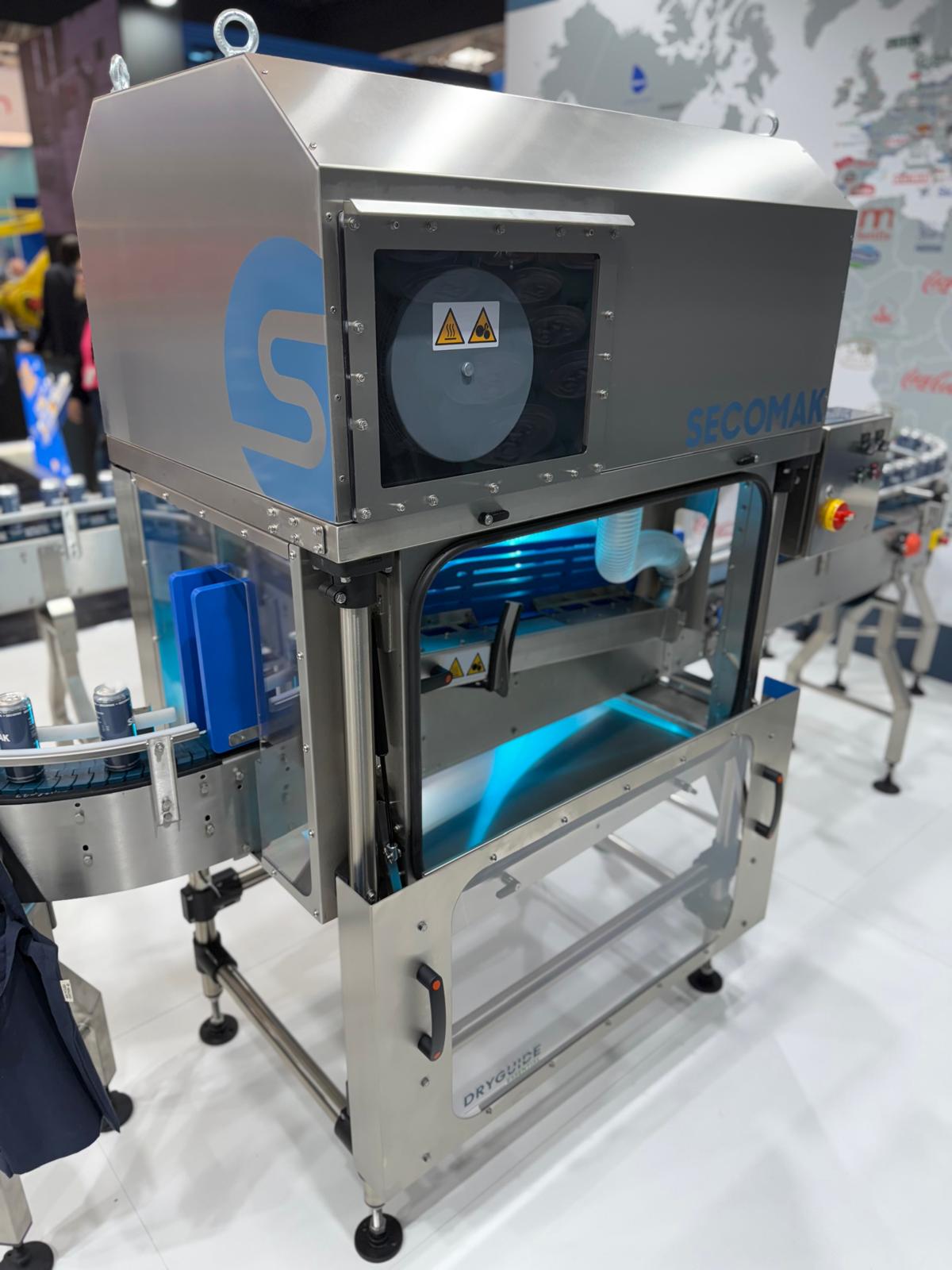
The result went on to win the Innovative Packaging Machinery – Multi-Purpose Technology Award at the 2024 Automate UK Awards.
But the development did not stop there.
Since its introduction, we have continued to challenge what the DryGuide Essential can do. What began as a compact solution primarily aimed at container drying has developed into a much more flexible drying platform, capable of working with bottles and jars, food packaging including rice trays and pouches, and complete top and side drying of cans.
Rather than developing a different machine every time we encounter a new application, our approach has been to retain the core DryGuide Essential platform and develop the drying fixtures and airflow configuration around the product.
Developing a Proven Industrial Container Drying Machine Further
The original design brief for the DryGuide Essential was to create a machine that was smaller, more cost-effective, energy efficient and easier to maintain, without compromising on drying quality or performance.
After winning the PPMA Award in 2024, the question for our Engineering and Sales teams became:
How can we make an already successful machine more capable, with even greater drying performance?
The answer has largely been found in the drying fixtures.
Different products present completely different drying challenges. Removing water from the side wall of a bottle is very different from drying the surface of a rice tray or achieving effective top and side drying on a can.
Simply directing more air at a product does not necessarily result in better drying.
Airflow has to be positioned and control
led correctly around the product, taking into account its geometry, the areas where water collects, conveyor arrangement, production speed and the processes taking place further down the line.
By developing new drying fixtures and configurations around the existing DryGuide Essential, we have been able to take the same core technology into increasingly varied applications without losing the characteristics that made the machine successful in the first place.
Customer Applications Have Driven the Development
Much of this development has come directly from conversations with customers. Since its launch and award win the machine has appeared at three major exhibitions covering the food and beverage, pharmaceutical and packaging markets.
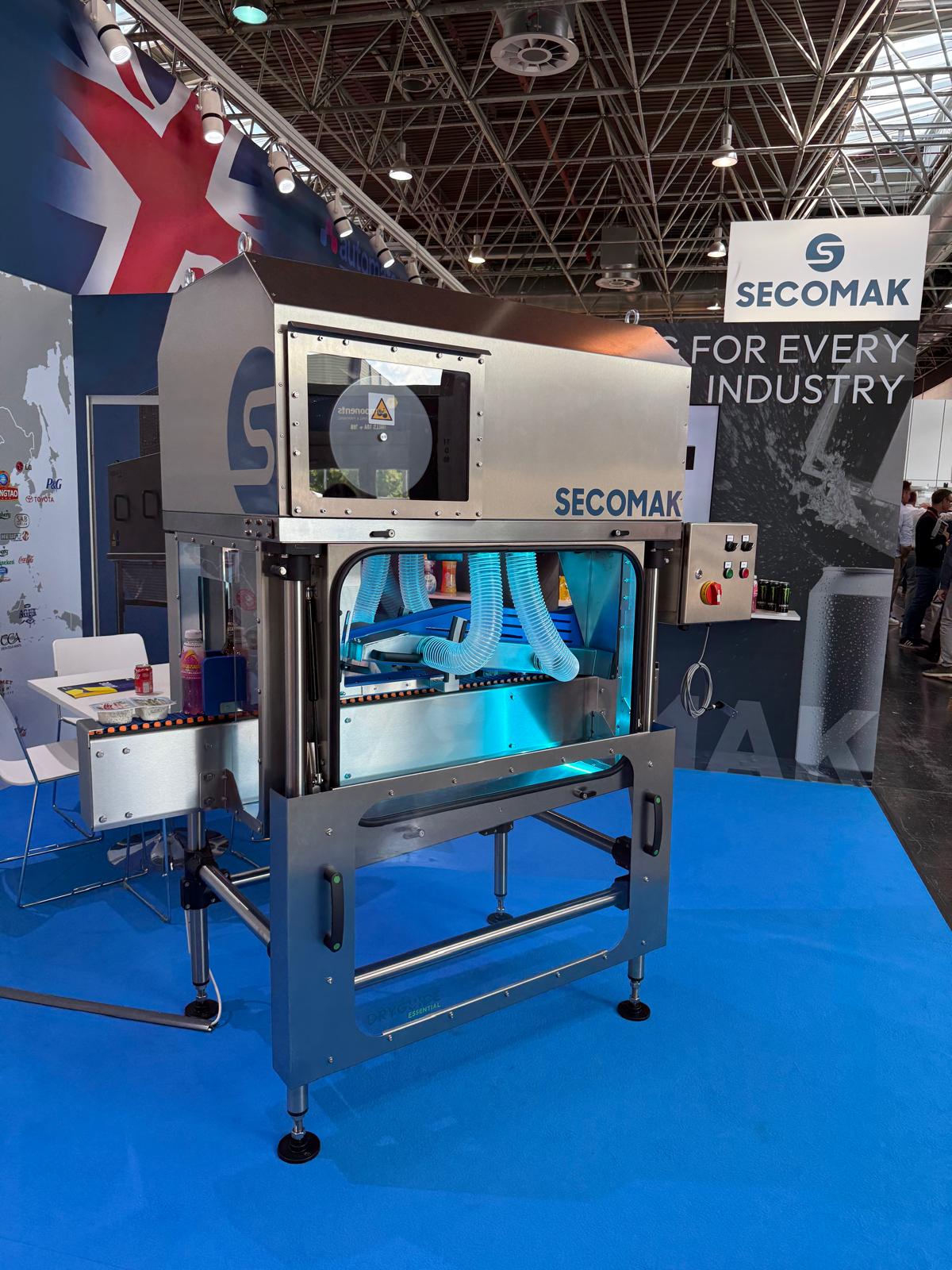
Those exhibitions, site visits and discussions with end users give our Sales and Marketing team a clear picture of the drying problems manufacturers are experiencing.
That information is then fed directly back to our Design Engineers, allowing new concepts and drying configurations to be discussed, developed and tested.
Two recent projects demonstrate just how far this approach has taken the DryGuide Essential.
Drying Rice Trays at 33 Metres Per Minute for Veetee
The application at Veetee presented a very different challenge from conventional bottle or jar drying.
The requirement was to dry single and dual rice trays at 33 metres per minute.
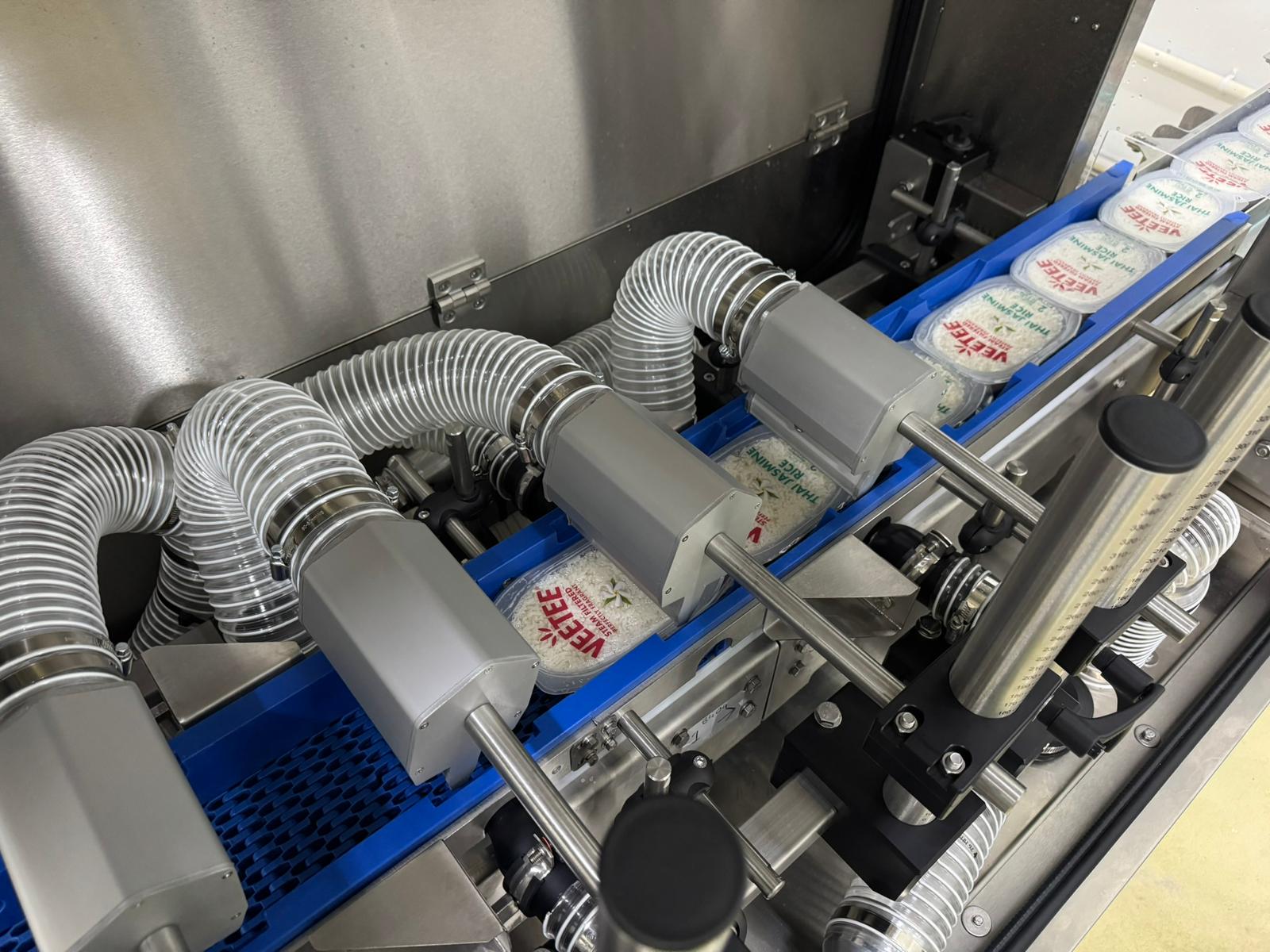
The existing drying system had high maintenance requirements and was not providing sufficient drying performance. Residual moisture needed to be removed effectively to allow reliable ink jet coding while also helping to prevent moisture from affecting the secondary packaging.
The DryGuide Essential was developed around the application to provide the required drying performance at production speed.
It is a good example of why effective food packaging drying cannot simply be approached in the same way as a traditional bottle drying application. The product geometry, conveyor arrangement and areas where moisture collects all influence how the air needs to be delivered.
Solving a Complex Can Drying Application for Princes
The project with Princes presented an entirely different engineering challenge.
Complete cans needed to be dried across the top and sides, before being inverted and then dried across the top and sides again.
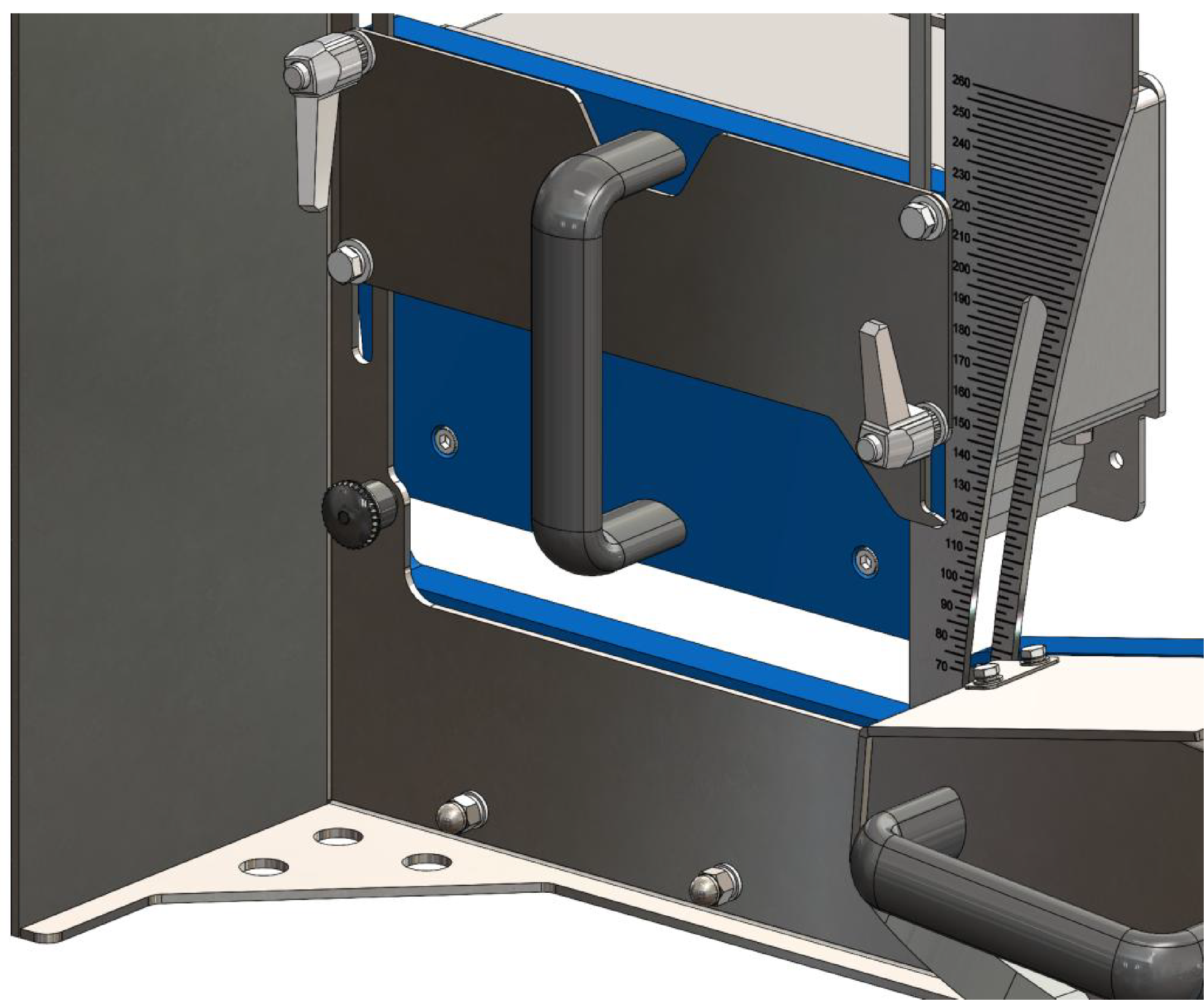
Adding to the complexity, the conveyor operated at two different heights.
Instead of requiring the customer to modify the production line around a standard drying machine, our Engineering and Sales teams worked together to configure the DryGuide Essential around the existing line.
The system was adapted to accommodate the product inversion and different conveyor heights while maintaining effective top and side drying throughout the process.
This project is particularly important in demonstrating the thinking behind the continued development of the DryGuide Essential.
The innovation is not simply being able to point airflow at another type of product. It is being able to adapt the drying system to a complex production environment while still making the machine practical to operate, maintain and change between products.
One Drying Platform, Different Production Challenges
This is where we see the real strength of the DryGuide Essential.
We have not developed a collection of completely different machines for individual applications.
Instead, we have continued to develop one machine platform that can be configured around different industrial drying challenges.
New drying fixtures allow the DryGuide Essential to accommodate different product geometries and drying requirements while still providing quick and straightforward changeovers.
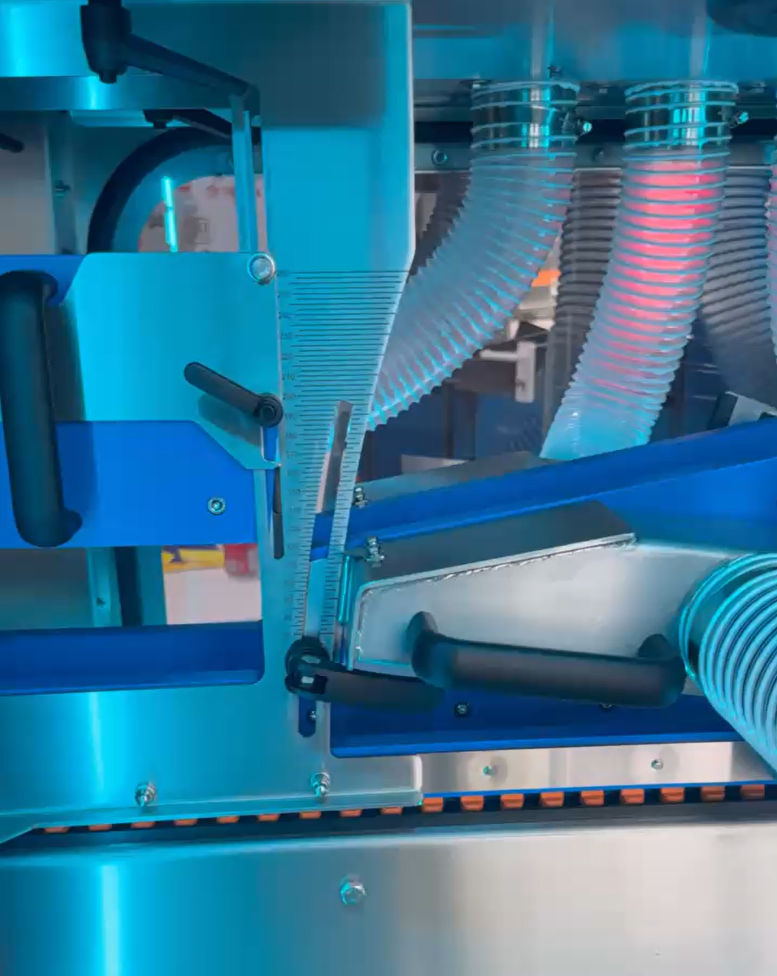
The core principles of the original machine remain the same: a compact footprint, energy efficiency, simple controls and reduced maintenance.
The development has been about increasing what the machine can achieve without unnecessarily changing what already works.
Maintaining the Original Efficiency Benefits
Increasing the capability of the DryGuide Essential has not meant losing the measurable benefits behind the original design.
The original DryGuide Essential delivered a 20% reduction in machine footprint, together with up to 33% lower energy consumption through improved airflow dynamics.
The machine was also designed to provide an investment that could be as much as 45% lower than like-for-like equivalents.
For manufacturers still relying on compressed air for drying and blow-off applications, the difference can be greater again.
The DryGuide Essential provides an energy-efficient alternative to compressed air drying, with energy savings of up to 80%. In one customer application, this contributed to an investment payback of less than 10 months.
The latest developments mean these benefits can now be applied across a much broader range of industrial drying applications.
Manufacturers can use the DryGuide Essential where installation space is restricted, where products require different drying configurations or where regular production changeovers are required.
Drying Performance That Makes a Difference Further Down the Line
Industrial drying is rarely an isolated process.
What happens at the drying stage often has a direct impact on labelling, coding, inspection and secondary packaging further along the production line.
For Veetee, the DryGuide Essential replaced a high-maintenance drying system while achieving the drying performance required at 33 metres per minute.
For Princes, it provided a practical answer to a considerably more complex installation involving repeated top and side drying, product inversion and two different conveyor heights.
The impact of effective container drying is also reflected in feedback from Purity Soft Drinks Chief Engineer Rich Chadderton:
“The machine was easy to install and integrated smoothly into our existing line. We saw results immediately, bottles are consistently dry before labelling and we’ve reduced unnecessary rejects at inspection. The system is also quieter and requires far less maintenance than our previous setup. Secomak made the whole process straightforward.”
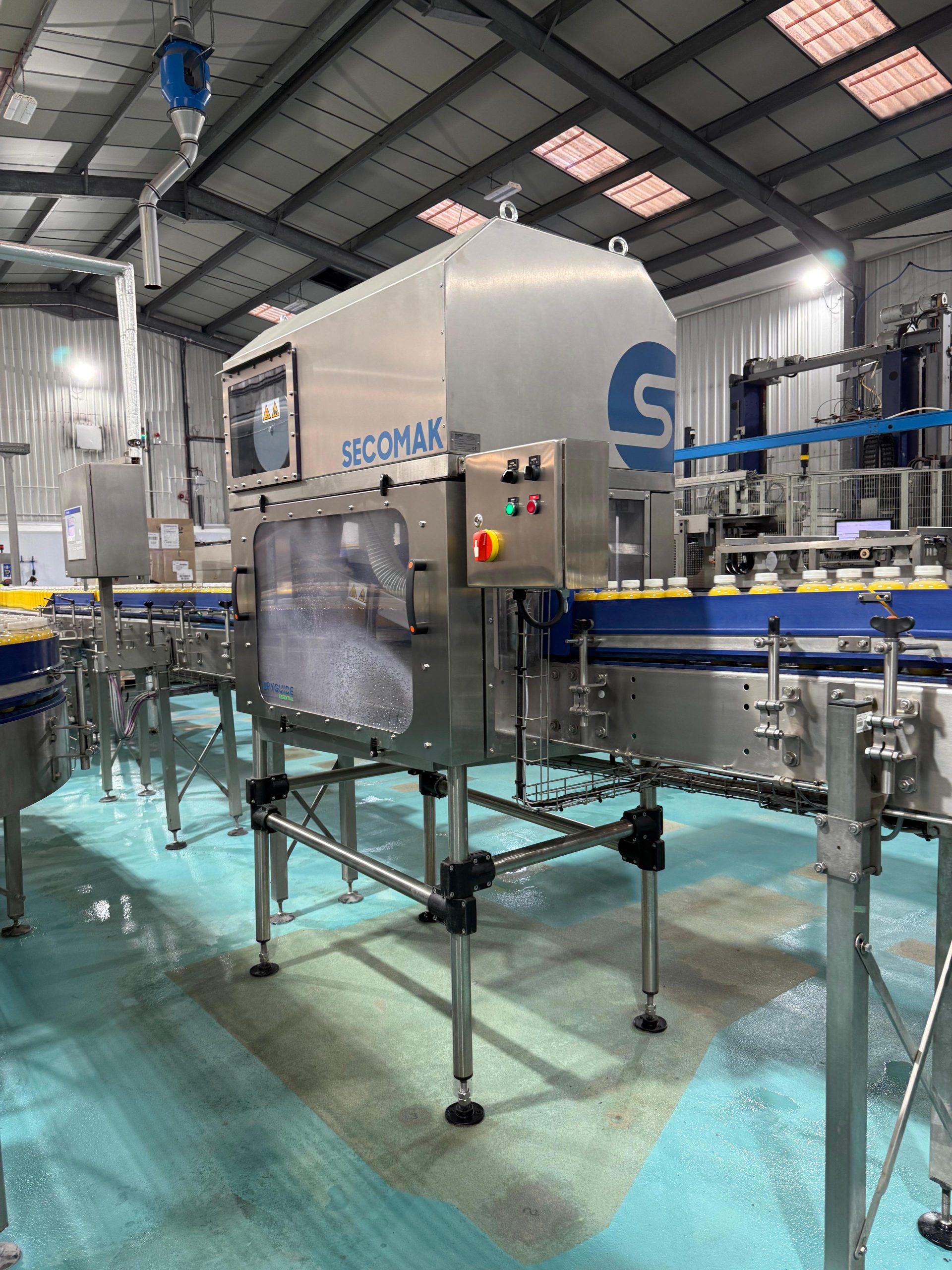
These applications all look very different, but the principle behind them is the same: understand what needs to be dry, understand the production line around it, and engineer the airflow accordingly.
Continuing to Challenge What the DryGuide Essential Can Do
Winning the PPMA Award in 2024 recognised the innovation behind the original DryGuide Essential.
Since then, the machine has continued to evolve.
It has moved beyond its original application as a compact side-wall dryer for bottles and jars and developed into a flexible industrial container drying platform capable of working with products including rice trays, pouches and complete cans.
For us, that is an important part of engineering development.
Innovation does not always have to mean starting again with an entirely new machine. Sometimes the better solution is to take something that is already proven and continue challenging its capabilities.
The DryGuide Essential has already demonstrated its value as a compact, efficient industrial drying system.
Now, it is demonstrating just how much more capable it can be.
Have an Industrial Drying Application You’d Like Us to Look At?
Whether you’re drying bottles, cans, trays, pouches or another product format, our team can review your production requirements and recommend a drying solution around your application.